


Desert Prickly Pear Red
Desert Prickly Pear Red
Couldn't load pickup availability
Description
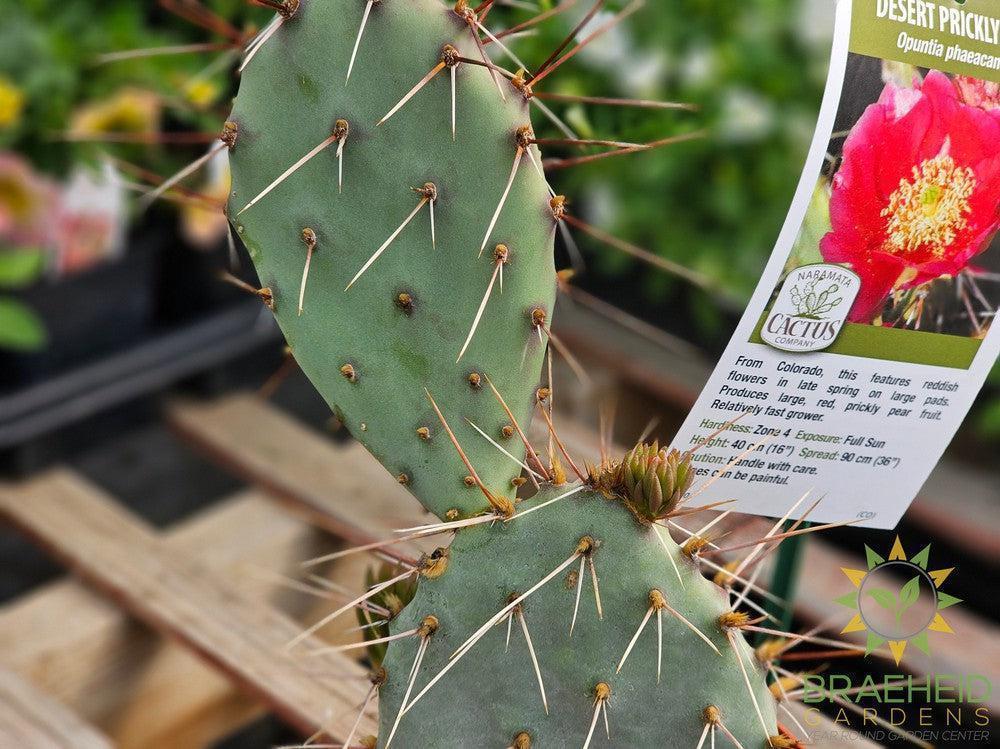
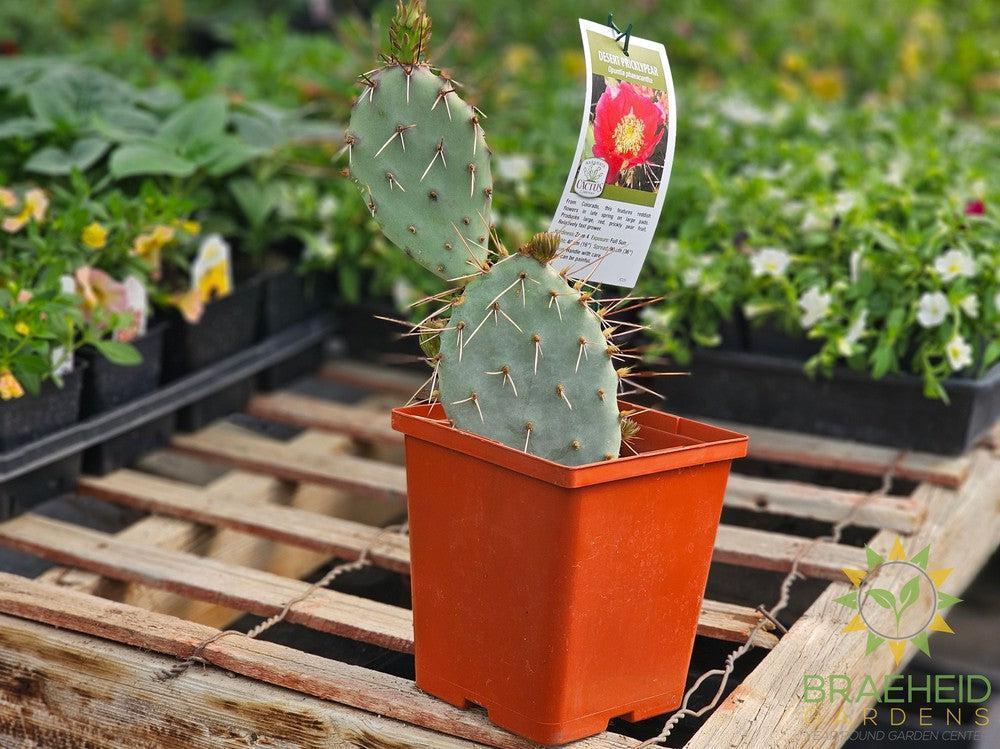
This listing is sold as Desert Prickly Pear with red flowers or fruit. Like other Opuntia, it is a cactus in the cactus family (Cactaceae). NC State Extension describes Opuntia (prickly pear) as a large group of pad-forming cacti that may be grown as ornamental houseplants or outdoors as shrubs, depending on the species.
What it is: This listing is sold as Desert Prickly Pear (red). NC State Extension uses desert prickly pear as a common name for more than one species, including Opuntia phaeacantha and Engelmann prickly pear (Opuntia engelmannii), so we have not assigned this plant to a single species. Care follows the genus. Colour and size vary, and a plant may or may not be in bloom when you receive it.
Light: Give it full sun and a very well-drained mix such as our succulent and cacti soil. NC State Extension recommends full sun (or full sun to partial shade for bunny ears) and a fast-draining cactus potting mix, and notes that as houseplants these cacti need well-drained soil and plenty of sunshine; high light and cooler winter temperatures help them flower. In our dark northern Alberta winters, a grow bulb in a lamp helps if you are keeping the plant indoors.
Watering & care: Let the mix dry out completely between waterings (NC State Extension). Empty any saucer so the pot does not sit in water; wet or soggy soil can cause root rot (NC State Extension). The Royal Horticultural Society, writing about potted Opuntia polyacantha, suggests allowing the compost to dry before watering in spring, summer and early autumn, and withholding water in winter when the plant is dormant. The same dry-between-waterings approach is the safe starting point for other potted prickly pears.
Humidity: They prefer dry, low-humidity conditions (NC State Extension). Average household air is usually fine; you do not need to raise humidity around these cacti.
Temperature: Hardiness in this genus varies widely. NC State Extension lists Opuntia as a whole in USDA zones 3b to 11b, from plants that need to come indoors for winter to very cold-hardy kinds. We do not have a confirmed species or zone listing for this particular cultivar, so we are not promising outdoor winter survival in Alberta. A well-drained container you can protect from hard frost is the cautious approach.
Winter indoors: If you keep it indoors for winter, give it your brightest, coolest window, water very little, and keep it off cold glass. The Royal Horticultural Society suggests withholding water and fertiliser in winter for dormant potted prickly pears. A grow bulb helps in our dark months.
Expected indoor size: Size varies widely in this genus. NC State Extension notes that Opuntia can range from about 3 to 20 feet tall and 3 to 15 feet wide across all species, which is larger than most homes if a tree-like kind is involved. We do not have a published size for this particular listing, so we are not guessing at a mature height. A potted plant is usually kept much smaller.
Feeding: Feed sparingly during the growing season with our Cactus Fertilizer, and ease off in winter. This listing already offered a blooming additive, our Gaia Green Power Bloom, used according to the label.
Pets & pests: The ASPCA lists Tree Cactus (Opuntia species) as non-toxic to dogs, cats and horses. NC State Extension also tags the genus as non-toxic for cats, dogs and horses. Spines and tiny barbed glochids can still irritate skin, mouths and paws and can cause contact dermatitis, so wear gloves when you handle the plant and keep it out of reach of children and pets (NC State Extension). It is still a plant, not a snack, and any plant material can upset a pet's stomach. Watch for mealybugs, scale and cochineal (NC State Extension); overwatering can cause rot.
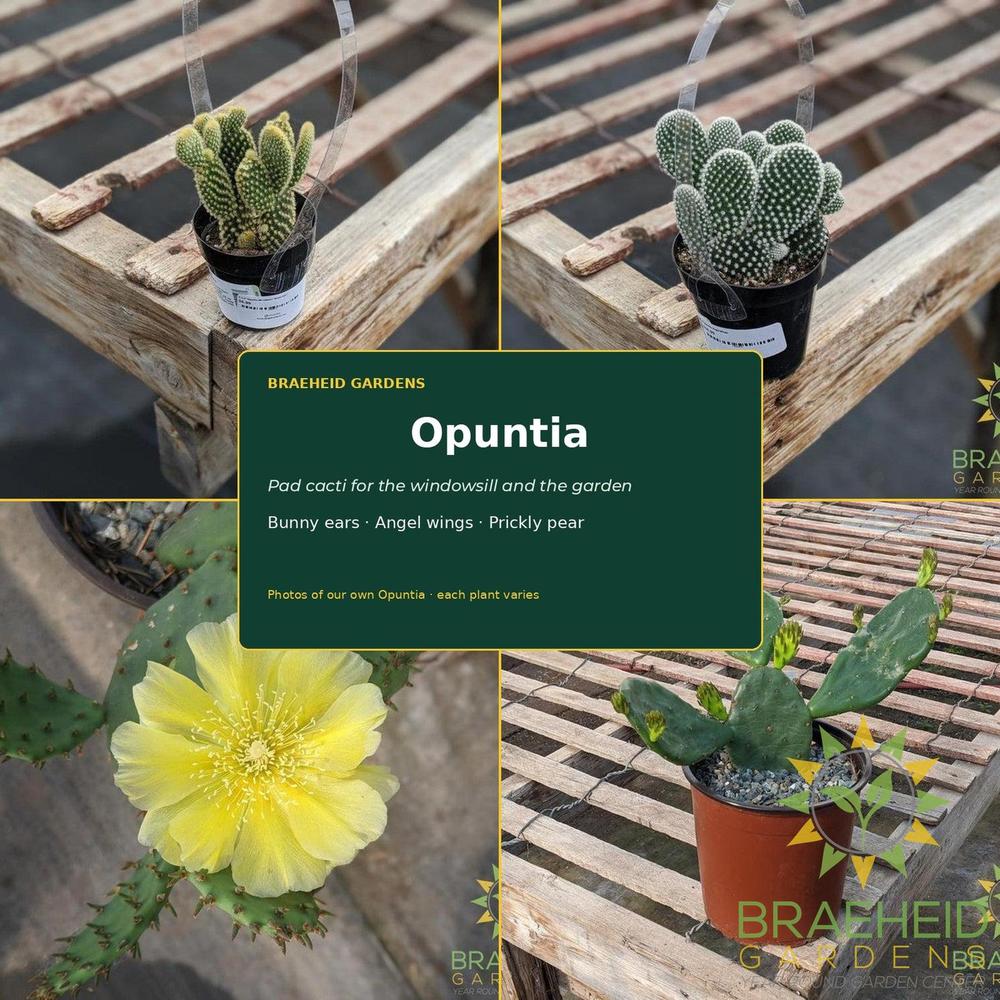
About your plant: Every plant is a little different. Size, fullness and leaf count vary from plant to plant and change with age and light, so we can't promise a particular pad count, pad size or appearance. The options listed (5 1/2 ") refer to the pot or container size, and to any colour choices in this listing. They do not guarantee an exact pad count, pad size, glochid colour or overall plant size. Photos show typical plants from our greenhouse, not the specific plant you will receive. The shared gallery image shows other Opuntia as inspiration. Options marked NO SHIP can't be shipped, but are available for pickup or local delivery.



This product qualifies for Tree / Shrub Planting
Braeheid Gardens is happy to plant for you! Place your order online and simply give us a call to arrange for delivery and planting services!