Shingle Plant - Rhaphidophora Korthalsii
Shingle Plant - Rhaphidophora Korthalsii
Couldn't load pickup availability
Description
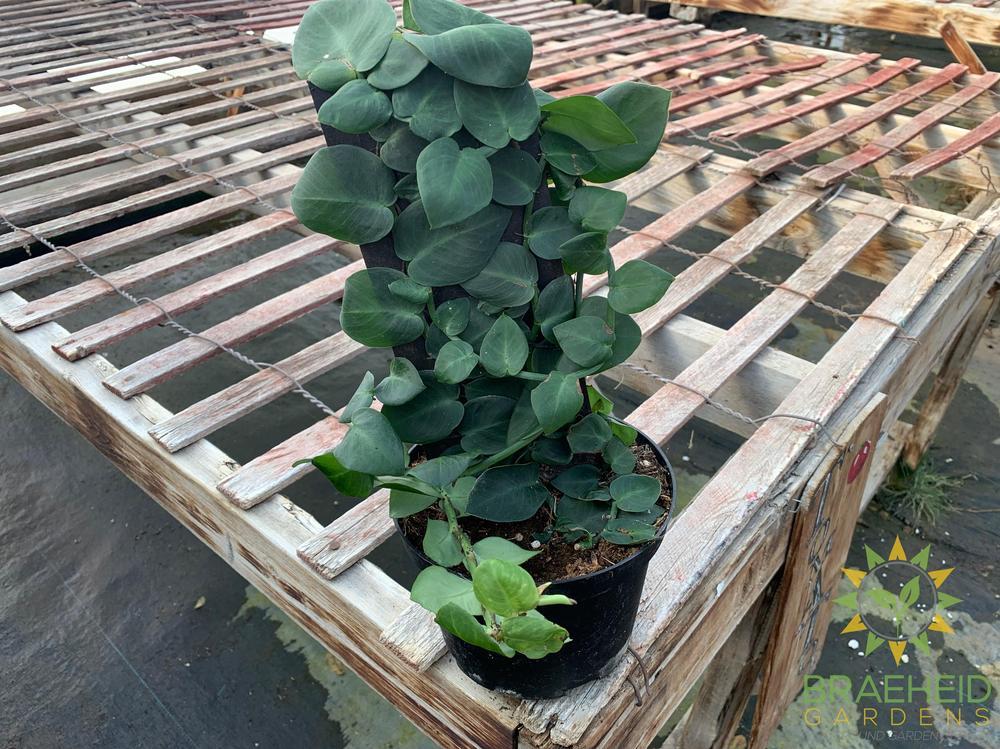
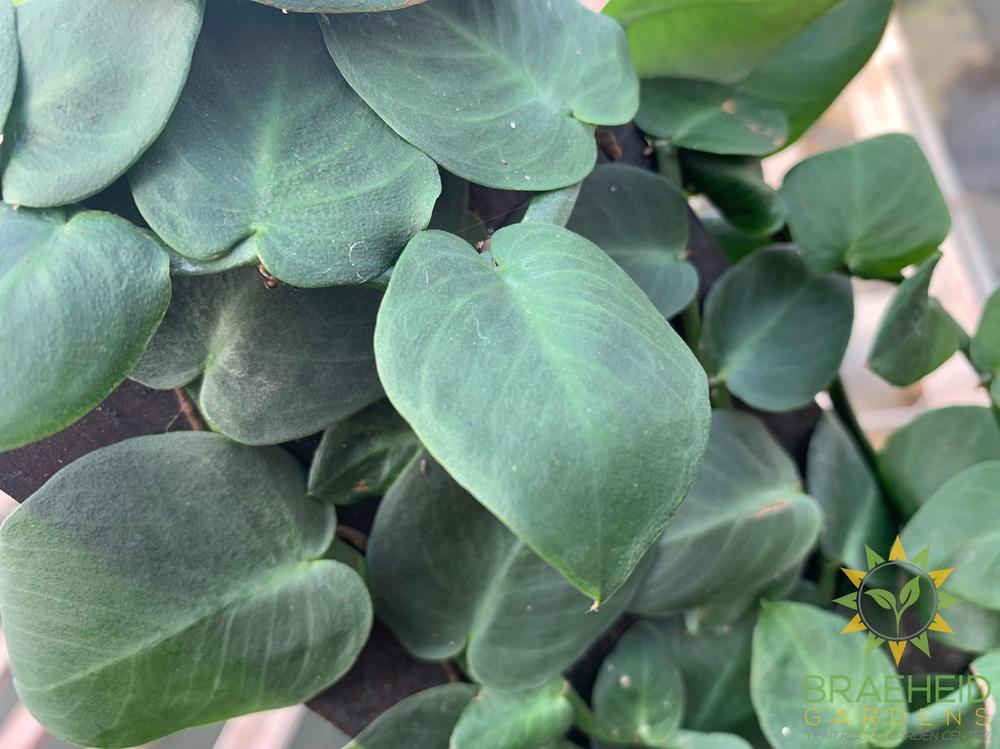
Shingle Plant is sold as Rhaphidophora korthalsii, a climber whose leaves press flat against a support. Like other Rhaphidophora, it is a tropical climbing aroid in the arum family (Araceae).
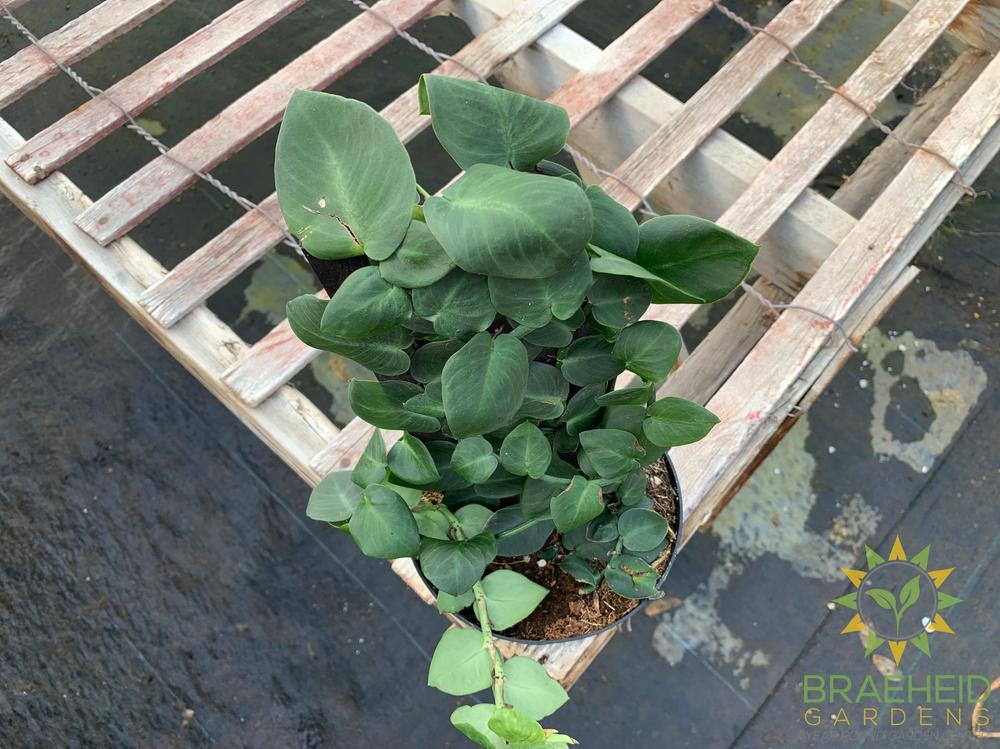
What it is: This listing is a plant sold as Shingle Plant — Rhaphidophora Korthalsii (Rhaphidophora korthalsii). Care follows Rhaphidophora climbing-aroid guidance based on NC State Extension Mini Monstera care. Our photos show shingling foliage on a board or support.
Light: Bright, indirect light suits Rhaphidophora; a little gentle sun is fine, but harsh afternoon sun can burn leaves (NC State Extension). A grow bulb can help through dark winters. Low light often means fewer splits or fenestrations on new leaves.
Watering & care: Use a moist, well-drained aroid mix and water when the top inch of the mix is dry (NC State Extension). Do not leave the pot sitting in water. Water less in cool, low-light winter months. A moss pole, trellis or hoop helps climbing forms; hanging baskets can trail.
Humidity: It thrives around 60% humidity; average home humidity is often enough, and a humidifier or grouping plants helps in dry winters (NC State Extension). A pebble tray only gives a small, local boost.
Temperature: Keep it in ordinary warm rooms about 18–27 °C (65–80 °F) and away from cold drafts (NC State Extension). Protect it from frost.
Winter indoors: In winter, keep it away from cold windows and drafts, water less often, and still check that the top inch is dry before watering.
Expected indoor size: As a houseplant, shingle-type Rhaphidophora climb a board or pole with leaves that lie flat; height depends on the support you give them. How large yours gets depends on light, warmth, pot size, support and care, and we can't promise a particular leaf size or how tightly leaves will shingle.
Feeding: Feed lightly in spring and summer while it is growing; our Schultz All Purpose Plant Food works at a light dilution. Ease off in fall and winter.
Pets & pests: Toxic if ingested; keep out of reach of pets and children. Sap can irritate skin — gloves help (NC State Extension). Watch for spider mites, fungus gnats and scale; root rot follows excess water (NC State Extension).
About your plant: Every plant is a little different. Size, fullness, leaf count and how split or fenestrated the leaves are vary from plant to plant and change with age and light; young plants may not yet show mature splits, so we can't promise a particular leaf size, shape or pattern. The size option (6") refers to the pot diameter or listed form. It does not guarantee an exact plant height or leaf count. Photos show typical plants from our greenhouse, not the specific plant you will receive. The shared gallery image shows other Rhaphidophora as inspiration.