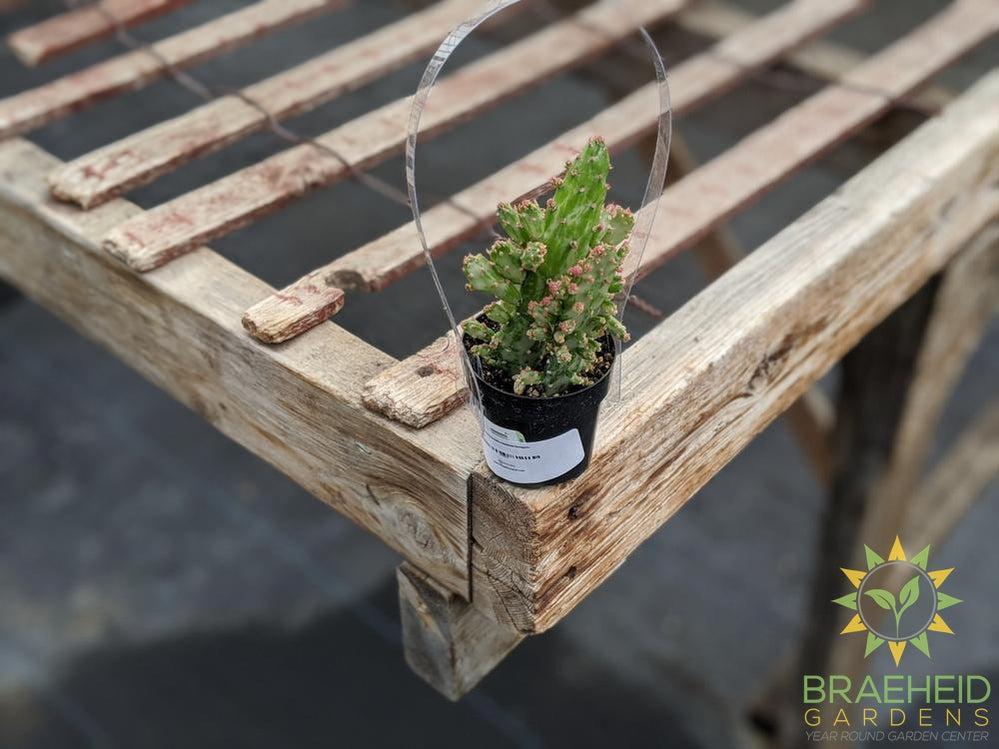
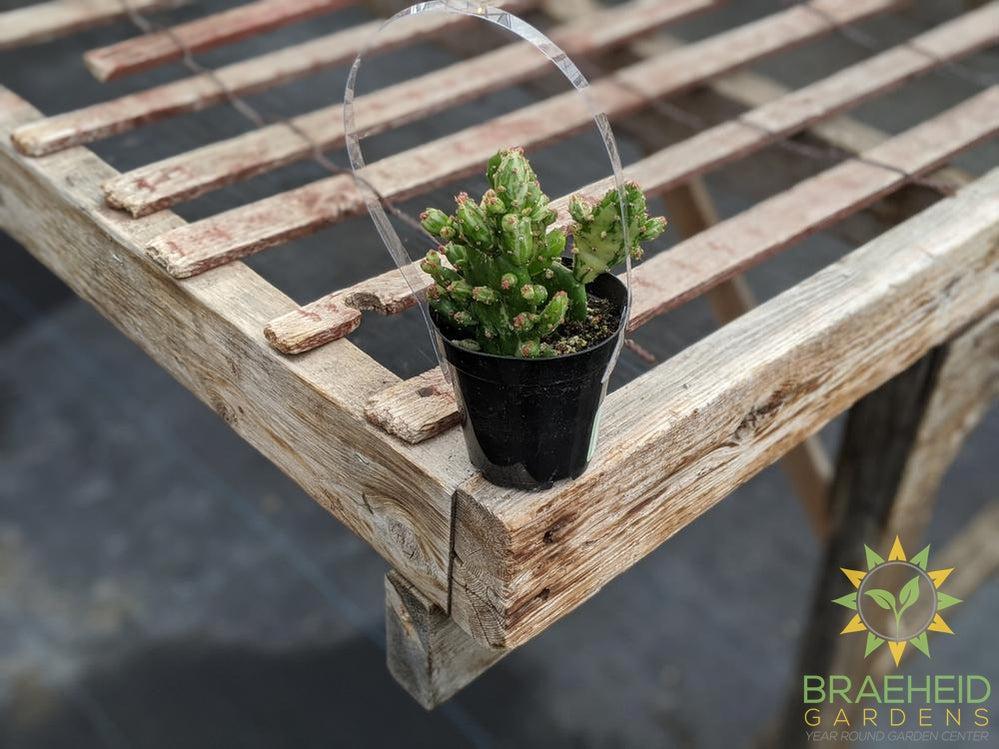
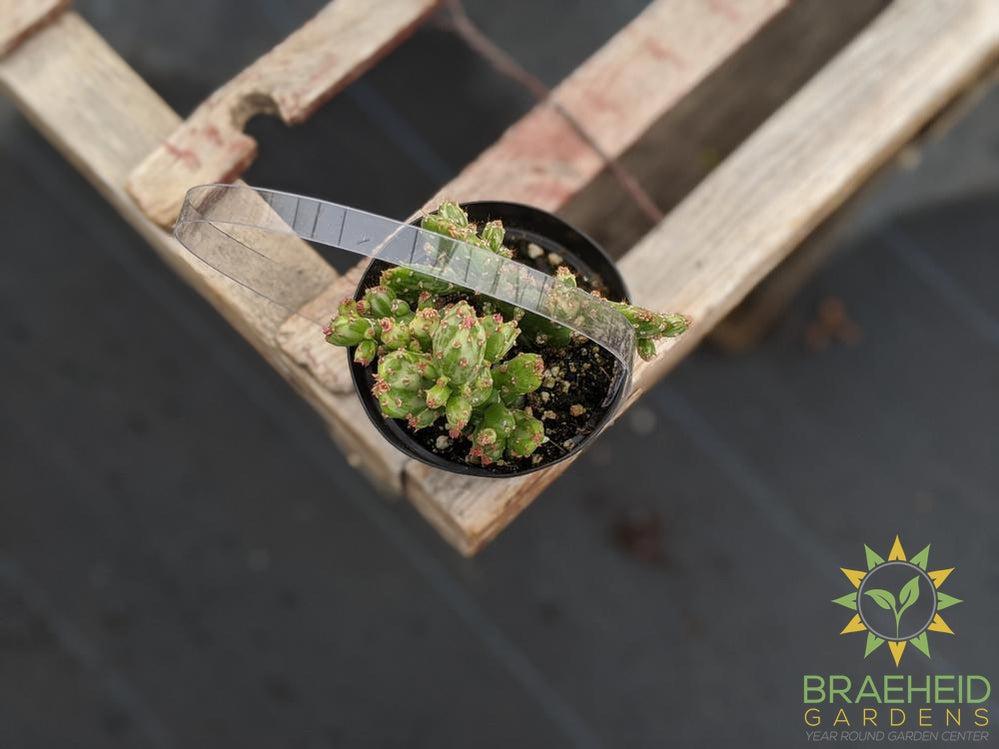
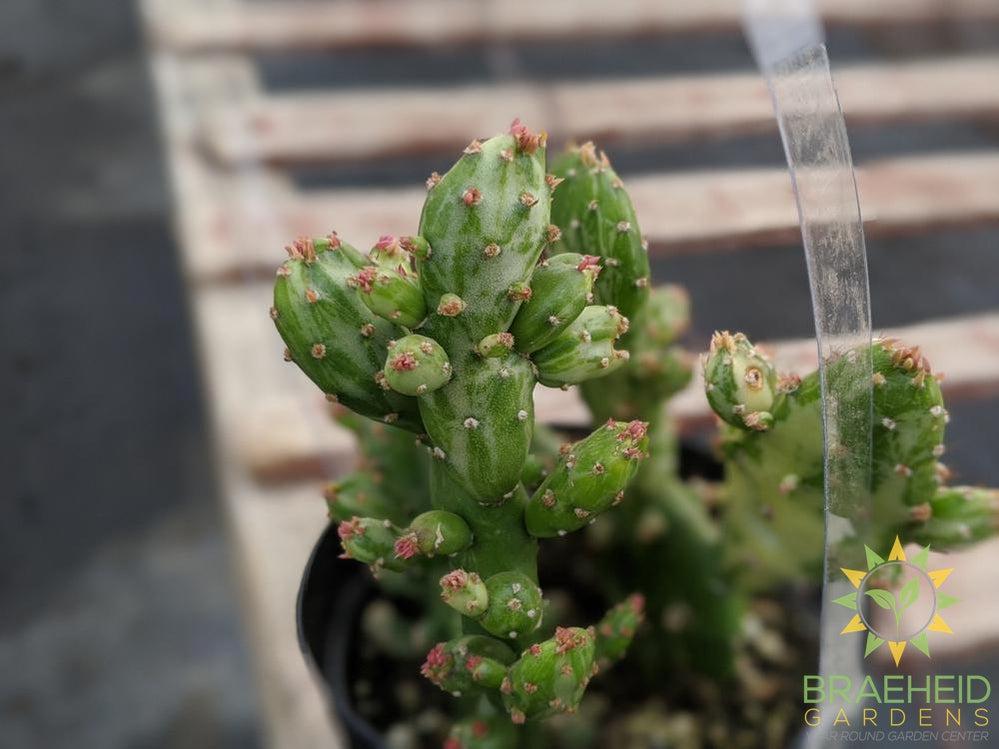
Opuntia Monocantha Montrose Variegata
Opuntia Monocantha Montrose Variegata
Couldn't load pickup availability
Description
This listing is sold as a monstrose, variegated Opuntia monacantha (the title spells it Monocantha). Like other Opuntia, it is a cactus in the cactus family (Cactaceae). NC State Extension describes Opuntia (prickly pear) as a large group of pad-forming cacti that may be grown as ornamental houseplants or outdoors as shrubs, depending on the species.
What it is: This listing is sold as Opuntia monacantha 'Montrose Variegata' (the title uses the spelling Monocantha, which we have left as written). The Royal Horticultural Society lists the species as common prickly pear, native to eastern South America. Variegation, pad shape and fullness vary on monstrose plants.
Light: Give it full sun and a very well-drained mix such as our succulent and cacti soil. NC State Extension recommends full sun (or full sun to partial shade for bunny ears) and a fast-draining cactus potting mix, and notes that as houseplants these cacti need well-drained soil and plenty of sunshine; high light and cooler winter temperatures help them flower. In our dark northern Alberta winters, a grow bulb in a lamp helps if you are keeping the plant indoors.
Watering & care: Let the mix dry out completely between waterings (NC State Extension). Empty any saucer so the pot does not sit in water; wet or soggy soil can cause root rot (NC State Extension). The Royal Horticultural Society, writing about potted Opuntia polyacantha, suggests allowing the compost to dry before watering in spring, summer and early autumn, and withholding water in winter when the plant is dormant. The same dry-between-waterings approach is the safe starting point for other potted prickly pears.
Humidity: They prefer dry, low-humidity conditions (NC State Extension). Average household air is usually fine; you do not need to raise humidity around these cacti.
Temperature: We do not have a published USDA zone listing for Opuntia monacantha on the sources used here. The Royal Horticultural Society places its range in eastern South America. Treat it as a houseplant or container plant in our climate and keep it frost-free.
Winter indoors: Keep it in a bright, frost-free room, water very little in winter, and keep it off cold glass. A grow bulb helps in our dark months.
Expected indoor size: We do not have a published mature size for Opuntia monacantha on the sources used here, so we are not guessing at a height. The Royal Horticultural Society describes Opuntia in general as creeping, bushy or tree-like cacti with flattened pads. A potted plant is usually kept much smaller than a landscape specimen. Pad shape on a Montrose (monstrose) or variegated plant can be irregular.
Feeding: Feed sparingly during the growing season with our Cactus Fertilizer, and ease off in winter.
Pets & pests: The ASPCA lists Tree Cactus (Opuntia species) as non-toxic to dogs, cats and horses. NC State Extension also tags the genus as non-toxic for cats, dogs and horses. Spines and tiny barbed glochids can still irritate skin, mouths and paws and can cause contact dermatitis, so wear gloves when you handle the plant and keep it out of reach of children and pets (NC State Extension). It is still a plant, not a snack, and any plant material can upset a pet's stomach. Watch for mealybugs, scale and cochineal (NC State Extension); overwatering can cause rot.
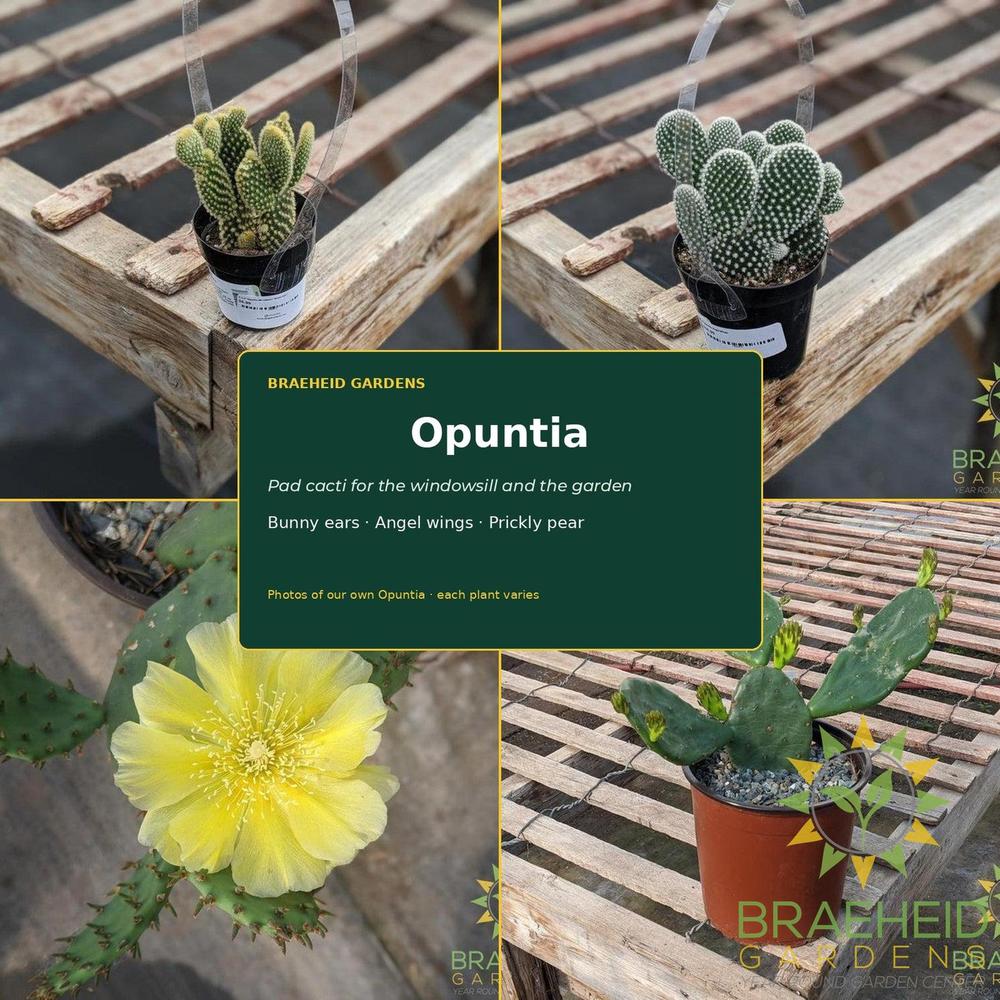
About your plant: Every plant is a little different. Size, fullness, leaf count and variegation or colouring vary from plant to plant and change with age and light, so we can't promise a particular pad count, pad size, variegation or appearance. The options listed (2-1/2", 4") refer to the pot or container size, and to any colour choices in this listing. They do not guarantee an exact pad count, pad size, glochid colour or overall plant size. Photos show typical plants from our greenhouse, not the specific plant you will receive. The shared gallery image shows other Opuntia as inspiration.