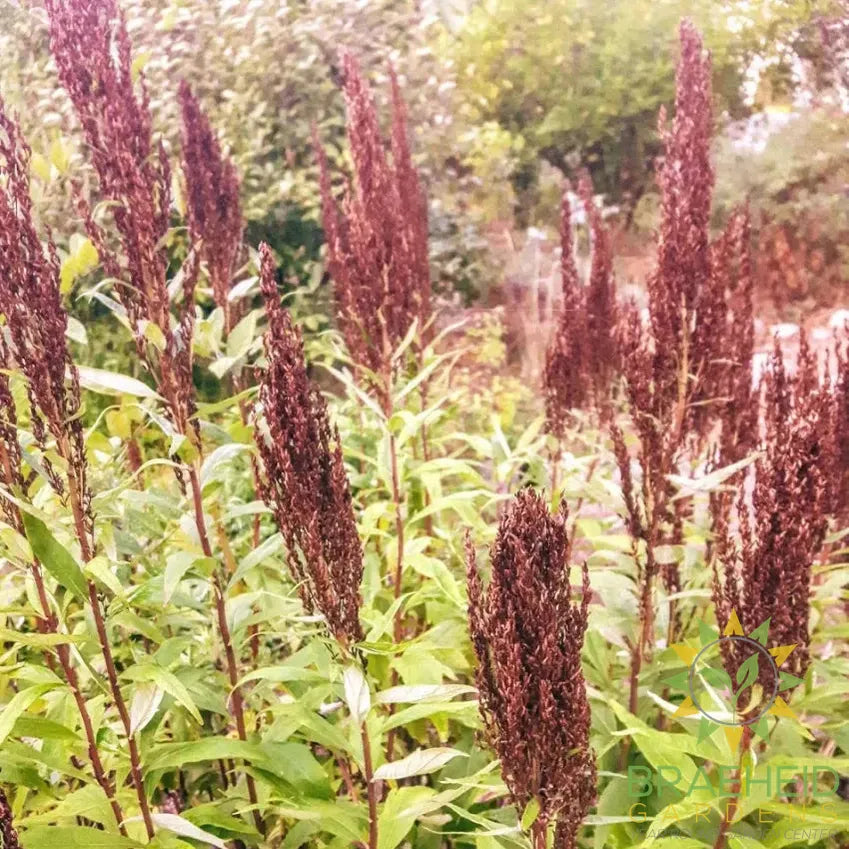
Coastal Mugwort
Coastal Mugwort
Couldn't load pickup availability
Coastal Mugwort is a resilient native perennial adapted to the rugged shorelines and open habitats of the West Coast. This species produces aromatic grey-green foliage and small clusters of yellowish flowers that attract pollinators throughout the summer. Like other mugworts, it has a long history of traditional use for its medicinal and ceremonial properties. It is drought-tolerant, deer-resistant, and thrives in tough coastal environments where other plants may struggle.
Where Can You Grow Coastal Mugwort?
Best suited for Zones 3–9, this hardy perennial excels in dry, well-drained soils and full sun. It is ideal for coastal gardens, restoration sites, naturalised plantings, and wind-exposed areas.
History and Historical Uses
Used by Indigenous peoples of the Pacific Northwest, coastal mugwort was traditionally valued for smudging, cleansing, and spiritual protection. The leaves were also used in infusions and teas to relieve digestive issues and calm nerves. Like its European cousin, mugwort was seen as a powerful herb for dreaming and intuition.
Canadian Zone Information
Zones 8–9: Direct sow or transplant into prepared soil in spring or autumn.
Zones 5–7: Start indoors in early spring or sow outdoors in mid-spring.
Zones 3–4: Begin indoors 6–8 weeks before last frost; harden off before transplanting.

How to Grow and Harvest Coastal Mugwort
Planting: Sow seeds 0.5cm (¼in) deep in well-drained soil; space 30–45cm (12–18in) apart.
Watering: Low water needs once established; water regularly during establishment phase.
Harvesting: Harvest leaves before flowering for strongest aroma and potency.
Maintenance: Cut back in late autumn or early spring; divide clumps every few years.
Seed Saving Tips for Future Supply
Collect When Dry: Allow seed heads to fully mature and dry on the plant.
Remove Seeds: Shake or rub dried heads gently to release seeds.
Clean and Store: Remove debris; store in a cool, dry place in an airtight container.
Viability: Seeds can remain viable for up to 4 years.
Certified Organic By
Islands Organics Producers Association (Cert#1962)