Citrus Key Lime
Citrus Key Lime
Couldn't load pickup availability
Description
Key lime is a small-fruited lime for a sunny spot. Like other Citrus, it is an evergreen fruiting plant in the citrus family (Rutaceae) that can be grown in a container indoors.
What it is: This listing is a plant sold as Citrus Key Lime (key lime, Citrus aurantifolia). Lemons and limes can take six to nine months to ripen (Illinois Extension).
Light: Citrus need sun. Give at least 6 hours of direct light a day, ideally 8–12 hours if you want flowers and fruit (Illinois Extension); a south- or west-facing window is best (Iowa State Extension). In northern Alberta winters that usually means adding a grow bulb. Citrus can adapt to lower light but may not flower or fruit.
Watering & care: Use an acidic, well-drained citrus or cactus-type mix in a pot with drainage holes. Keep the mix moist but not wet, letting the top of the mix dry out between waterings (Illinois Extension). Overwatering is a common cause of fruit drop (University of Missouri IPM).
Humidity: Citrus like more humidity than most homes have in winter; a humidifier or grouping plants helps (Illinois Extension).
Temperature: Indoors, citrus grow best around 18 °C (65 °F) during the day, about 3–6 °C (5–10 °F) cooler at night (University of Minnesota Extension). Keep it away from cold drafts and sudden temperature changes, which can cause fruit drop (Illinois Extension). It can summer outdoors once nights stay above about 10 °C (50 °F) and should come back in before nights fall below that (Illinois Extension).
Winter indoors: In winter, give it your sunniest window plus a grow light, keep it away from cold glass and heating vents, and water a little less while growth slows. Some leaf or fruit drop while it adjusts to indoor light is common.
Expected indoor size: Grown in a pot, grafted or dwarf citrus usually reach about 0.9–1.5 m (3–5 ft) (Illinois Extension); full-size citrus trees outdoors in warm climates grow far larger, which doesn't apply indoors. Prune to keep it compact. How large yours gets depends on light, pot size, pruning and care.
Feeding: Citrus are heavy feeders. Feed with a citrus fertilizer (or one with at least a 2-1-1 ratio) while it is actively growing, about April through September (Illinois Extension). Ease off in fall and winter.
Pets & pests: Toxic to pets: the ASPCA lists lemon, lime, orange and calamondin plants as toxic to dogs and cats because of essential oils and psoralens; signs include vomiting, diarrhea and depression, and the plant can irritate skin. The ASPCA notes the fruit itself is edible for people. Keep the plant out of reach of pets. Watch for scale, mealybugs and spider mites, and keep leaves clean.
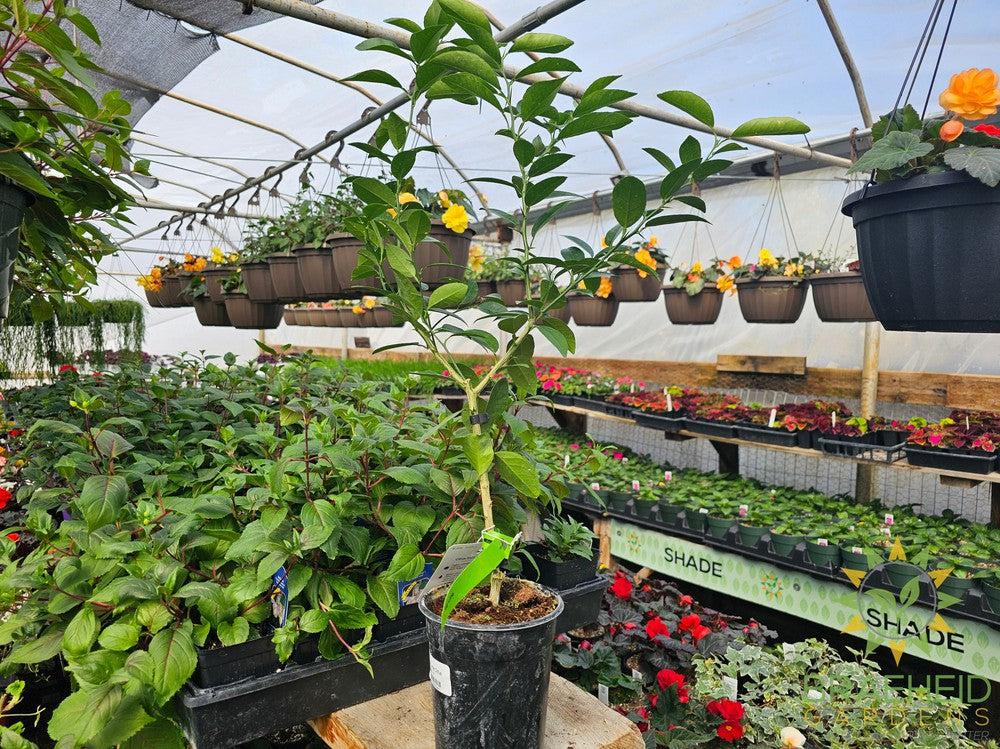
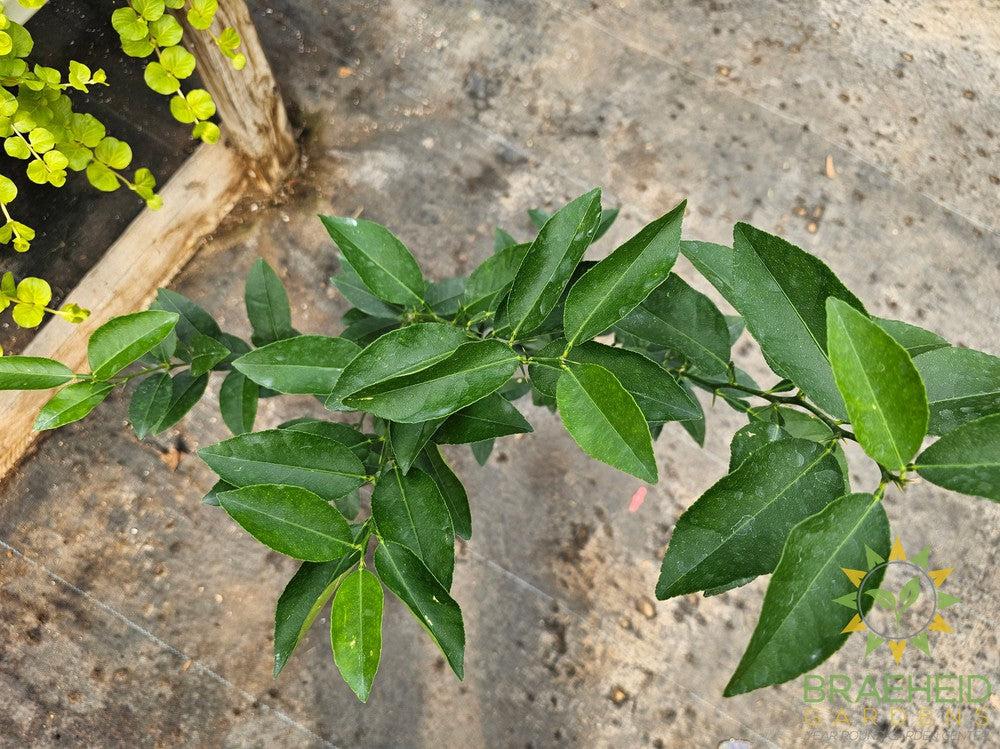
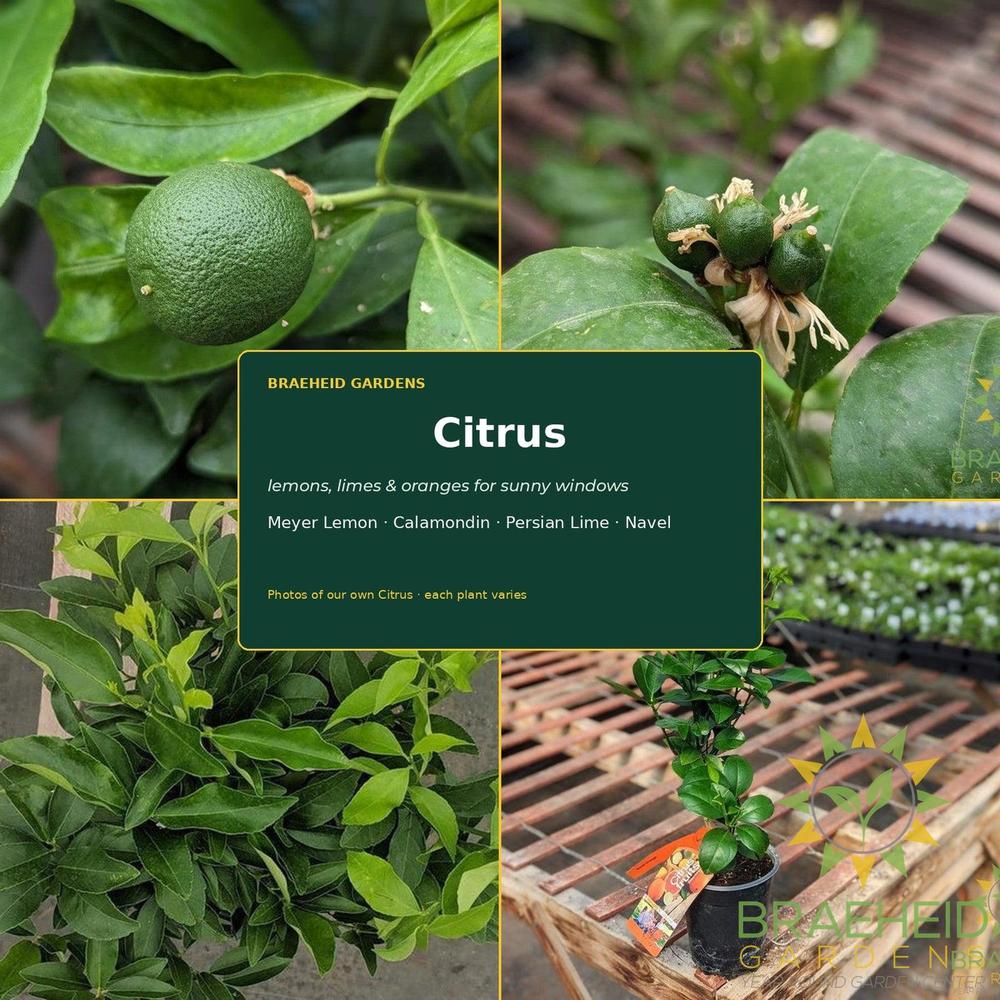
About your plant: Every plant is a little different. Size, fullness and leaf count vary from plant to plant and change with age and light, so we can't promise a particular size, shape, flowering or fruiting. The size option (5", 14" Tree) refers to the pot or container size listed. It does not guarantee an exact plant height, branch count, flowers or fruit. Photos show typical plants from our greenhouse, not the specific plant you will receive. The shared gallery image shows other Citrus as inspiration.