Alocasia Zebrina Tiger
Alocasia Zebrina Tiger
Couldn't load pickup availability
Description
Zebra alocasia is known for its striped stems and long, arrow-shaped leaves. Like other Alocasia, it belongs to the arum family (Araceae).
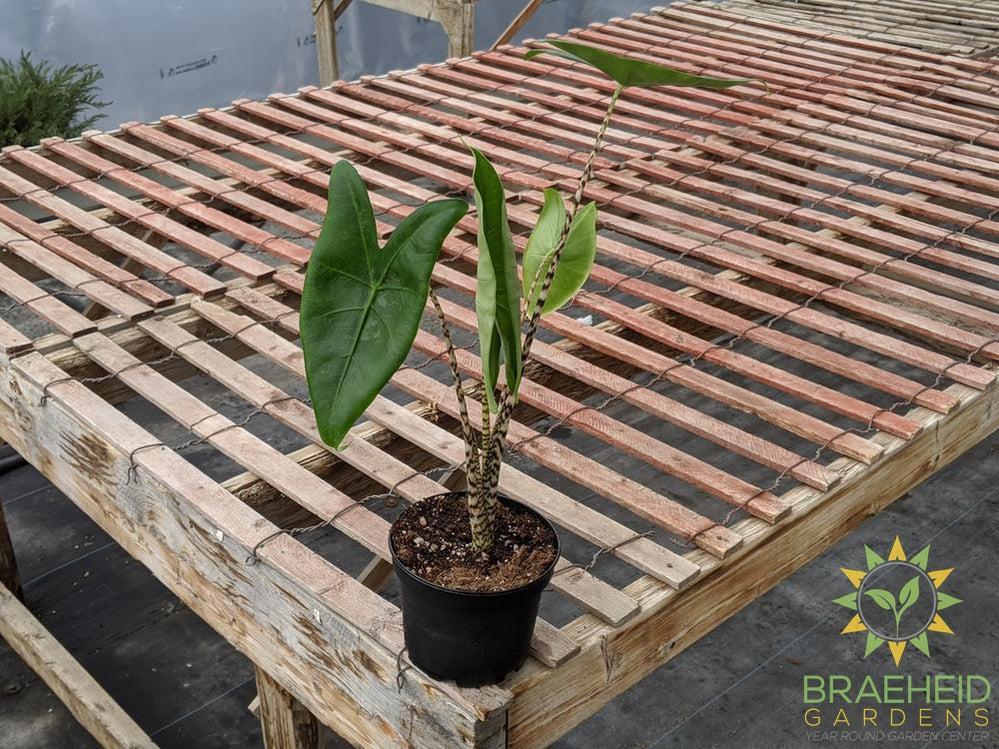
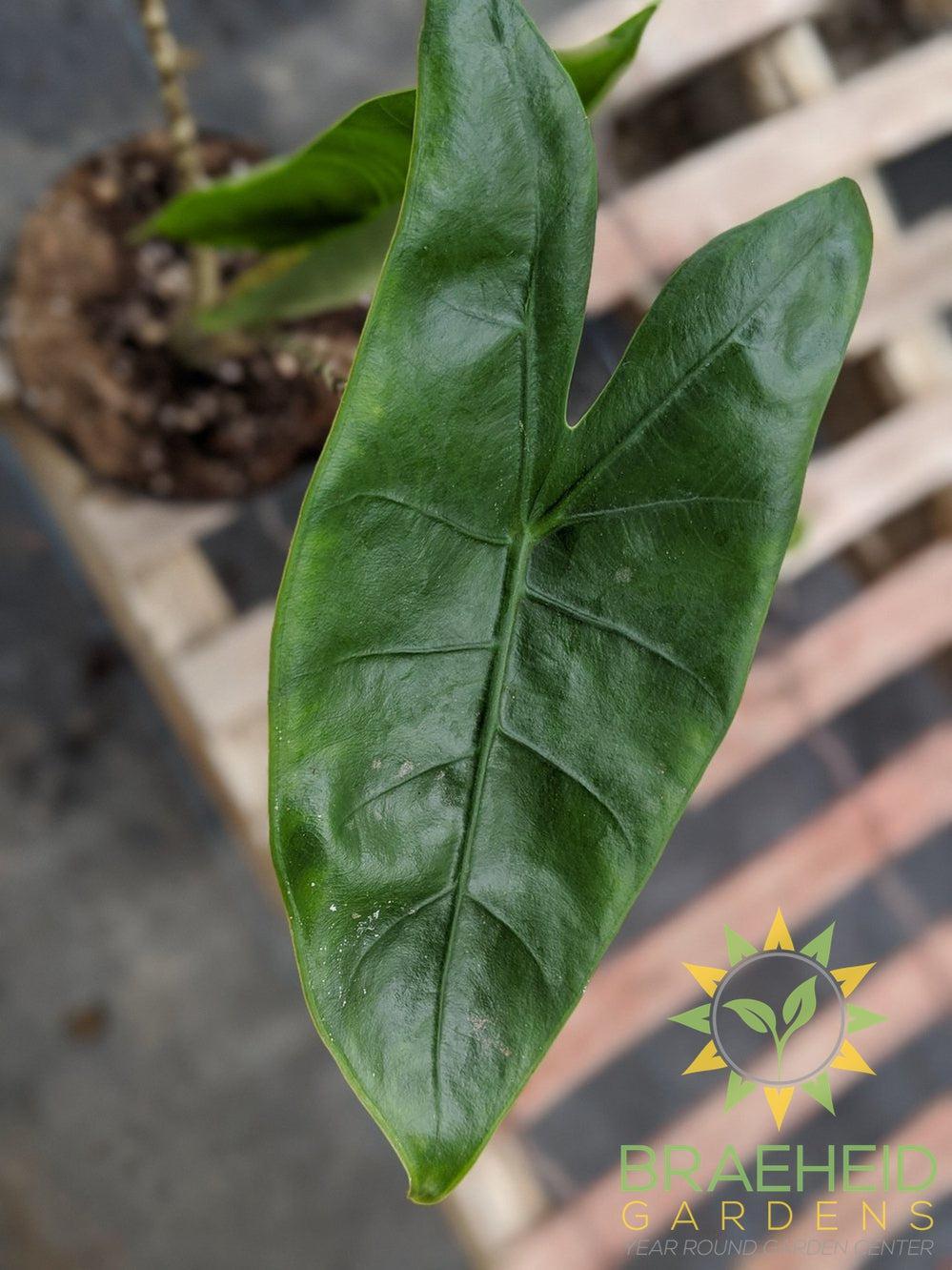
What it is: This listing is a plant sold as Zebrina Tiger. Alocasia zebrina (zebra alocasia) has large, dark green, arrow-shaped leaves on white-and-green striped stems (NC State Extension). Our photos show young plants with long, arrow-shaped leaves on striped stems.
Light: Give it bright light without harsh direct sun; NC State Extension lists dappled sun to partial shade. A grow bulb in a nearby lamp can help through dark winters. No light level guarantees leaf colour or pattern.
Watering & care: Alocasia likes a moist, well-drained, humus-rich mix (NC State Extension). Water regularly while it is growing, but don't let it sit wet: overwatering can cause root rot and leaf spots (NC State Extension). Yellow leaves can come from too much water, too little water or too little light (NC State Extension).
Humidity: Alocasia comes from tropical regions with plenty of rainfall (NC State Extension). Dry indoor air in winter can be hard on it. Grouping plants together or running a room humidifier can help; a pebble tray gives only a small, local boost.
Temperature: Alocasia grows best at daytime temperatures of about 20–25 °C (68–77 °F) (NC State Extension). Keep it away from cold windows and drafts.
Winter indoors: Short, dark winter days slow its growth, so reduce watering in winter (NC State Extension) and check the mix before each watering rather than watering on a schedule. Alocasia grows from tubers (NC State Extension), and it can drop some leaves in a cool or dim spell. That isn't always a sign the plant has died; with warmth, light and careful watering, it may push new leaves again in spring.
Expected indoor size: Zebra alocasia can become a sizeable plant over time, so give it room to grow. How big it gets indoors depends on light, warmth and pot size, and a potted Alocasia typically won't reach its full height (NC State Extension).
Feeding: Feed regularly during the growing season (NC State Extension), for example with our Schultz All Purpose Plant Food at the label dilution, and stop feeding in winter while growth is slow.
Pets & safety: All parts of Alocasia are poisonous if eaten, and the sap can irritate skin and eyes; it is a problem for cats, dogs and children (NC State Extension). Keep it out of reach. It is prone to spider mites, so check now and then for mites, aphids and mealybugs (NC State Extension).
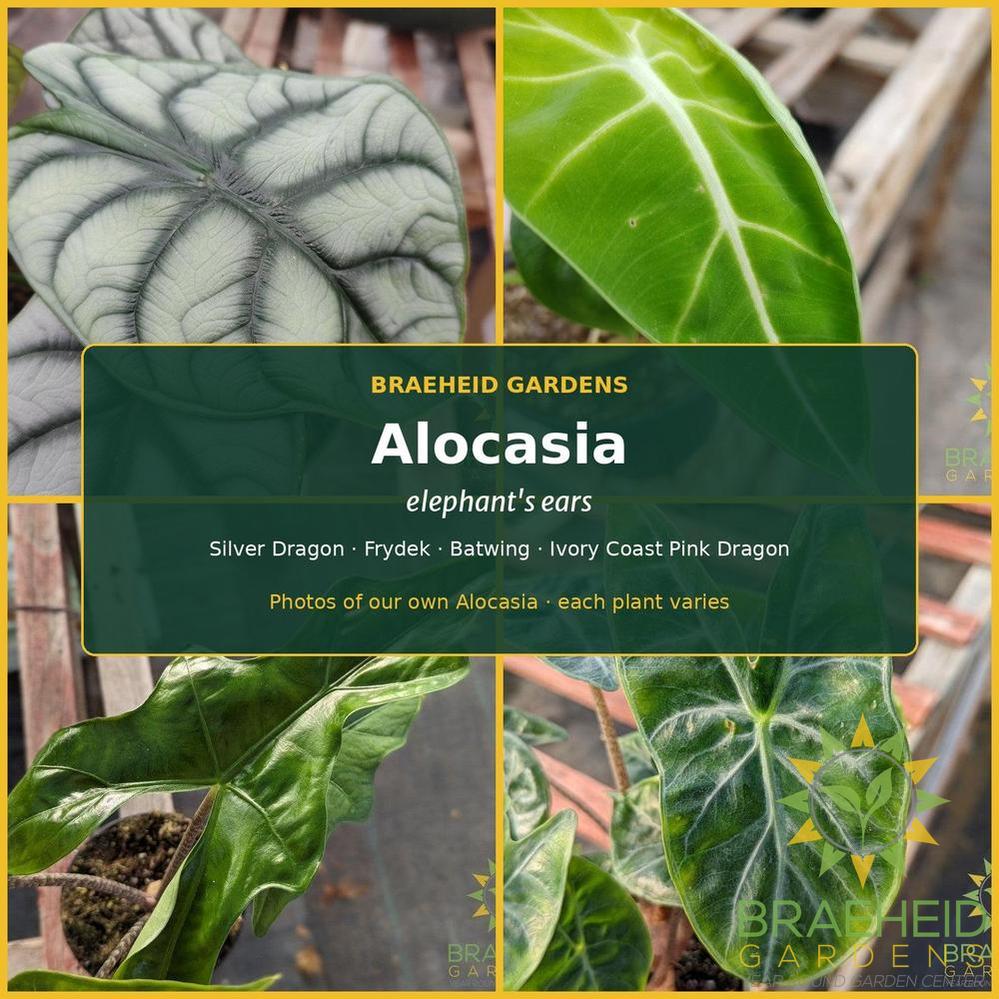
About your plant: Every plant is a little different. Size, fullness, leaf count and leaf colour and pattern vary from plant to plant and change with age and light; young plants may not yet show mature leaf features, so we can't promise a particular leaf size, shape or pattern. The size option (4", 6") refers to the pot diameter. It does not guarantee an exact plant height or leaf count. Photos show typical plants from our greenhouse, not the specific plant you will receive. The shared gallery image shows other Alocasia as inspiration.